
Documenting the Facts in the Valley of the Sun
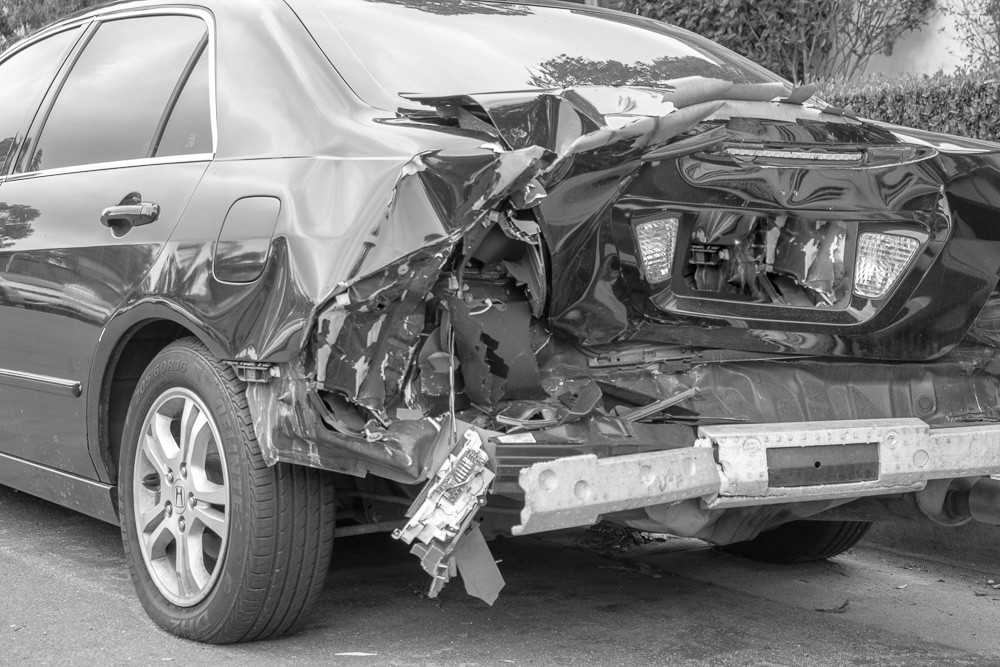
In the aftermath of a car accident, memories can fade and details become hazy. Police reports provide an objective account of what happened, preserving key facts for insurance claims and litigation. In Phoenix, law enforcement officers respond to collisions that cause injury, death or property damage. Their reports often shape negotiations and court decisions, making them critical for anyone pursuing a claim. This article explains how to obtain a police report in Phoenix, what information it contains and why it matters to your case.
Arizona law requires drivers involved in accidents resulting in injury or death to report the collision to the police. Officers at the scene collect information about the drivers and vehicles, note weather and road conditions, interview witnesses and sometimes issue citations. They may include diagrams showing vehicle positions and directions of travel. While police reports are not typically admissible as evidence of fault, they strongly influence insurance adjusters and attorneys when assessing liability.
Obtaining and Reviewing Your Police Report
To get a copy of your police report in Phoenix, contact the Phoenix Police Department’s Public Records Unit or the Arizona Department of Public Safety, depending on which agency handled the incident. Provide basic details like the date, time, location and names of the people involved. Once you receive the report, review it carefully for errors or omissions. If you find inaccuracies—such as incorrect insurance information or misinterpreted statements—contact the officer or your attorney to request a correction.
The report may note citations issued to drivers, statements from witnesses and comments about road or weather conditions. If the officer notes that another driver ran a red light or failed to yield, it bolsters your claim. Conversely, if the report assigns partial fault to you, your attorney can gather additional evidence to challenge that conclusion. The report also lists witness contact information, which is useful for obtaining testimony later.
Leveraging Police Reports in Your Claim
Insurance adjusters often rely on police reports when determining fault and valuing claims. Presenting a clear and accurate report can expedite settlement negotiations. If the report contains adverse findings, your attorney may enlist experts to provide alternate interpretations or uncover evidence not considered by the officer. While the report itself may not be admissible in court, it can refresh the officer’s memory or impeach inconsistent testimony.
Keeping detailed records and following up: In addition to obtaining the police report, keep a log of every conversation with insurers, medical providers and mechanics. Note dates, names and what was discussed. Request copies of any documentation, including medical treatment records and repair estimates. If English is not your first language, ask for translated materials or bring a trusted translator to ensure you fully understand your rights and responsibilities. Remember that different agencies may have unique procedures; for example, accidents involving commercial vehicles or government entities may require reporting to additional departments. Staying organised empowers you to respond quickly to questions from adjusters or lawyers and strengthens your case.
Conclusion: Objective Records Strengthen Your Case
Police reports are invaluable tools for car accident claims in Phoenix. Obtaining your report promptly, reviewing it for accuracy and using it strategically can make a significant difference in the outcome of your claim. For help obtaining and leveraging police reports and other evidence, consult car accident attorney in Phoenix. Combined with thorough documentation and knowledgeable legal guidance, a comprehensive police report helps you pursue fair compensation under Arizona’s comparative negligence system.