What Lies Ahead
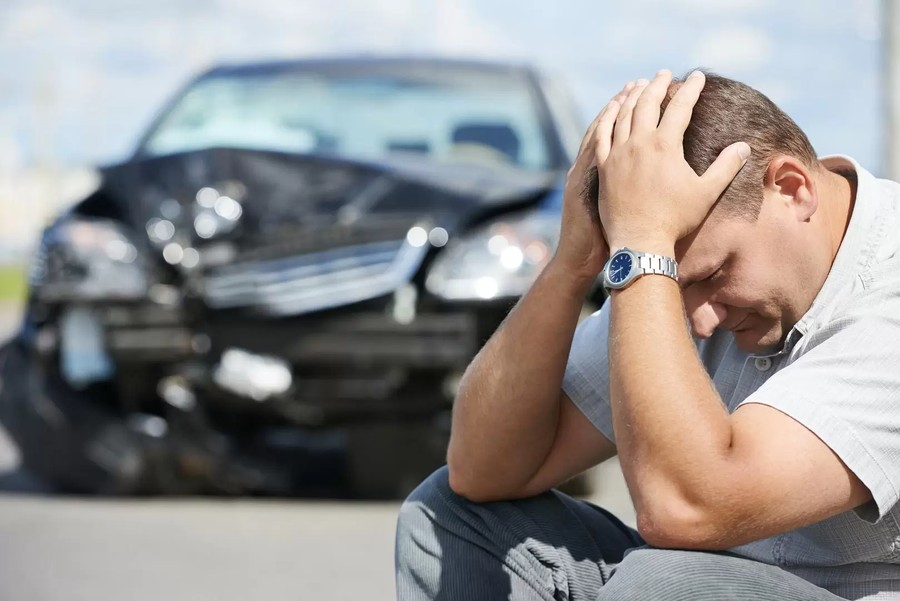
Recovering from a serious accident often involves emotional healing as well as physical recovery. Support groups provide a space to share experiences and coping strategies with others who understand.
The Intersection of Law and Daily Life
Many accident survivors feel isolated or misunderstood. Participating in group discussions can reduce feelings of loneliness and provide practical advice for managing daily challenges.
Getting Help When You Need It
Groups are available through hospitals, community centers, and online forums. Facilitators may include counselors or fellow survivors who guide conversations in a supportive environment.
What We Learned
Joining a support group can boost your emotional well‑being and help you adapt to life after a crash.
Turning Advice into Action
Ask your healthcare provider or attorney for recommendations, or search online for local and virtual groups.
Highlights and Advice
- Document the scene and collect witness information.
- Seek immediate medical attention, even if injuries seem minor.
- Notify law enforcement and file an official report promptly.
- Consult with an attorney to understand your rights and timelines.
Types of Support Available
Support comes in many forms, including peer-led groups, professionally facilitated therapy sessions, online communities, and hybrid models. Some groups focus on physical rehabilitation, while others address emotional healing or specific injuries like traumatic brain injury. Understanding the differences helps you choose the support that’s right for you.
Making the Most of Group Support
- Be open about your experiences and listen to others
- Attend regularly to build connections
- Respect confidentiality and group guidelines
- Take notes on coping strategies that resonate with you
- Offer encouragement to fellow members
Creating Your Support System
Support groups are just one element of a broader recovery network. Surround yourself with friends, family, healthcare providers, and professional counselors who can help you navigate the emotional and physical ups and downs. Don’t hesitate to reach out to community centers or religious institutions if they play a role in your life. A diverse support system ensures you have multiple sources of comfort and advice.
Continuing the Healing Journey
Healing is not linear; there will be setbacks and breakthroughs. Use support groups as a sounding board and a source of accountability as you work toward personal goals, whether that means returning to work, resuming hobbies, or simply finding joy again. Celebrate small victories and acknowledge your progress. Over time, you may even become a mentor to new group members, sharing the wisdom you’ve gained through your own recovery.
Conclusion and Next Steps
Connecting with others who understand your experience makes the recovery journey less daunting.
Conclusion and Additional Advice
Recovering from an accident is a multifaceted process involving legal, medical, and personal considerations. Take the time to educate yourself about your rights and responsibilities, ask questions when uncertain, and lean on trusted professionals and support networks. Maintaining detailed records, following through with medical care, and advocating for your needs are vital steps toward a fair resolution and complete recovery. Finally, remember that healing takes time, and seeking emotional support is just as important as addressing physical injuries.
- Stay proactive and organized in managing your case and recovery
- Communicate clearly and assertively with insurers, legal representatives, and medical professionals
- Document all interactions, treatments, and expenses for accuracy and transparency
- Reach out to support groups or online communities to share experiences and gain insights
- Prioritize self-care and mental health throughout the recovery journey