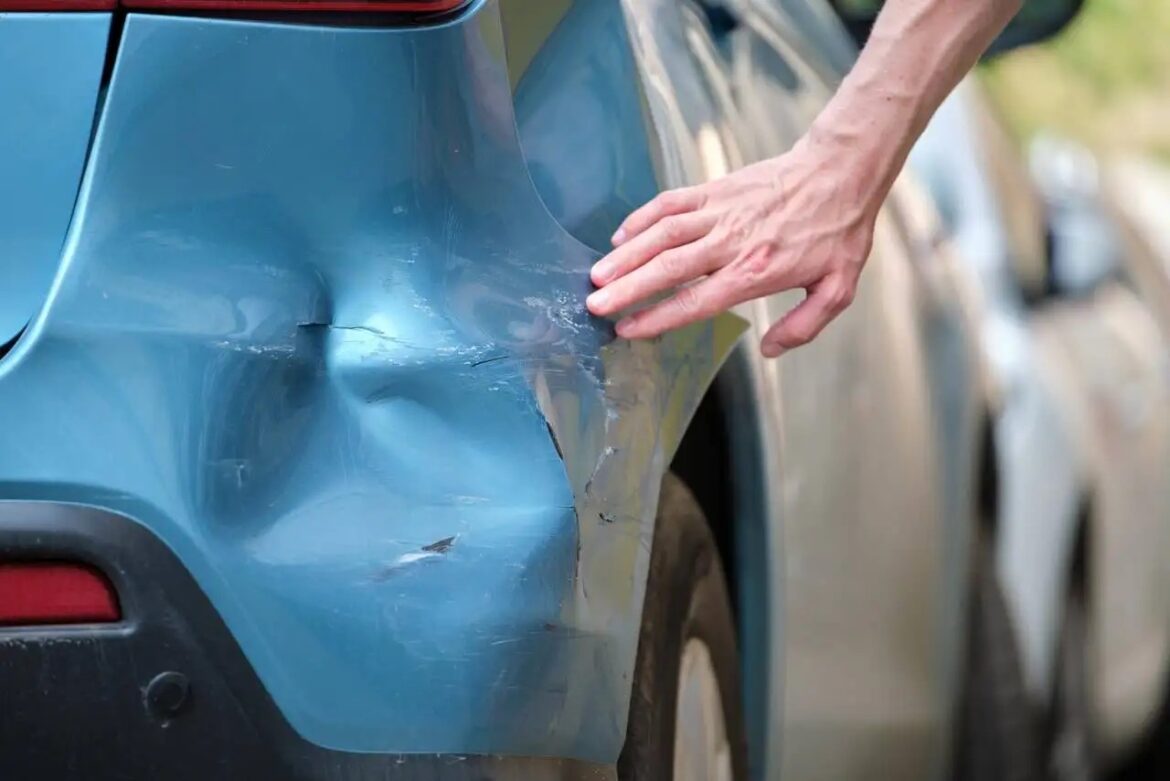
A lot goes into leasing, and returning a leased vehicle can be a stressful situation. So, even a small ding could result in surprise charges when you return it. Inspection standards can be surprisingly strict, as many drivers find out the hard way. This is why an increasing number of lease holders are opting for Paintless Dent Removal (or PDR) prior to handing in their vehicle.
The big question is simple. Is it a welcome news by the insurers and dealers? Well, the short answer is yes (when done appropriately, of course).
Why Lease Inspections Can Be Harsh?
Lease vehicles undergo something called “fair wear and tear.” If something is not within that definition, they can be penalized. Acceptable limits usually exclude small dents, car park dings, and light creases.
Common problem areas include:
- Door dings from tight parking
- Shallow dents on panels
- Minor hail damage
While damaged paint is worse, visible dents are still bad news for the person responsible for this vehicle at the time of writing. That is where paintless dent removal in Melbourne motorists trust comes into play.
What is a Paintless Dent Removal (PDR)?
PDR is an abbreviation for paintless dent trim removal, a dent repair technique that uses a few specialized tools to pull and manipulate metal to remove a dent without sanding, filling the area, or repainting the vehicle. Using specialized tools, technicians knead the panel back into its original position from the rear.
As long as we do not touch the factory paint:
- There’s no colour mismatch
- Repairs look original
- Panels retain their value
That’s a huge plus for vehicles which are leased.
Do Dealerships Accept PDR Repairs?
Yes, in most cases. Dealerships and leasing companies only care how the car looks, not the techniques that were used to repair the dent.
PDR is accepted when:
- When the panel is returned to its original state
- There is no paint damage
- The fix is hidden from the eye
Actually, PDR is the preferred method by many dealerships because of a factory paint touch-up. However, good paintless dent repairs are basically indistinguishable from virgin panels.
What About Insurance Companies?
Insurance companies acknowledge that PDR is a valid repair process for small dings. It is a very common setup for hail claims and low-impact damage.
Insurance acceptance usually depends on:
- The severity of the dent
- Whether paint is intact
- The repair quality
When inspections reveal minor damage, insurers will often suggest paintless dent removal in Melbourne because it minimises both repair costs and downtime.
What Makes PDR Perfect Before Lease Return?
When your lease has ended, timing is everything. The costs of repairing a traditional panel can run into days’ worth of labour and are well above estimates.
PDR offers clear benefits:
- Faster turnaround
- Lower repair costs
- No impact on resale value
So, it’s a no-brainer before inspection. Most drivers take the initiative to repair dents instead of risking more expensive repair costs at the end of a car lease.
What Damage PDR Can − and Can’t − Fix?
PDR works great; however, it is not a fit for all.
It works best on:
- Small to medium dents
- Dents with no paint cracking
- Panels that haven’t been stretched
It may not suit:
- Severe creases
- Damage on panel edges
- Dents with chipped paint
A professional assessment is key. Specialists such as Straight Panels will be honest about whether your dent can be repaired with these methods or not.
PDR and How will It Affect Your Lease?
No. The method of repair is not even important as long as the vehicle meets return condition standards. The end state is what leasing companies consider, not how you arrive there.
What they care about is:
- Visual condition
- Panel integrity
- Original appearance
High-quality PDR ticks all three.
Final Thoughts
Lease return costs can surprise drivers, but they don’t need to. When done correctly, dealers, and insurers embrace paintless dent removal in Melbourne.
If your leased car has dings but no chipped paint, then Paintless Dent Repair (PDR) is one of the best fixes you can make. It will save your wallet, protect your car’s paint job and, importantly, it will help you return the keys without any nasty surprises.